Informatin designRe-design of Edmontons E-Park signage
Improving Clarity and Accesibility
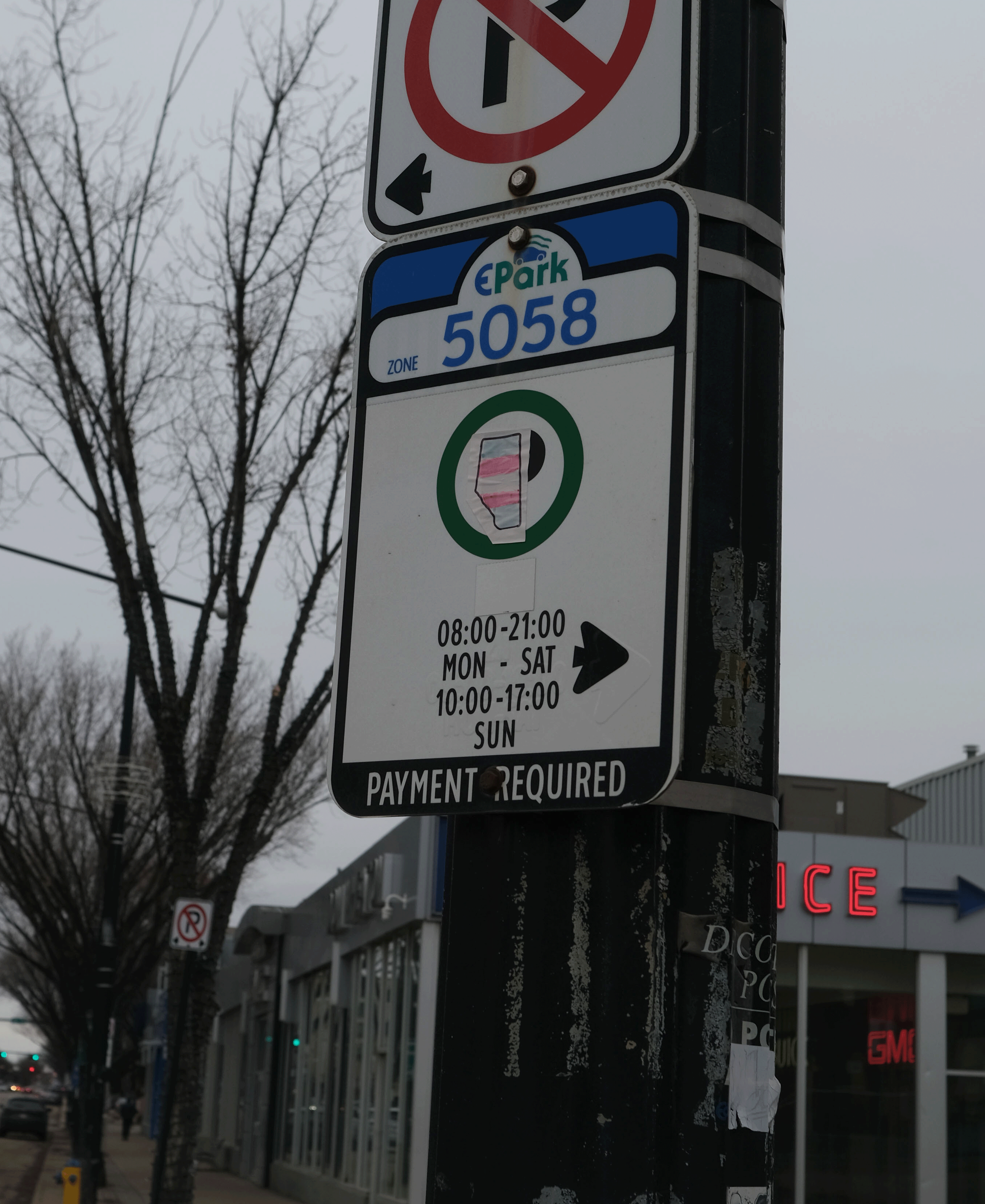
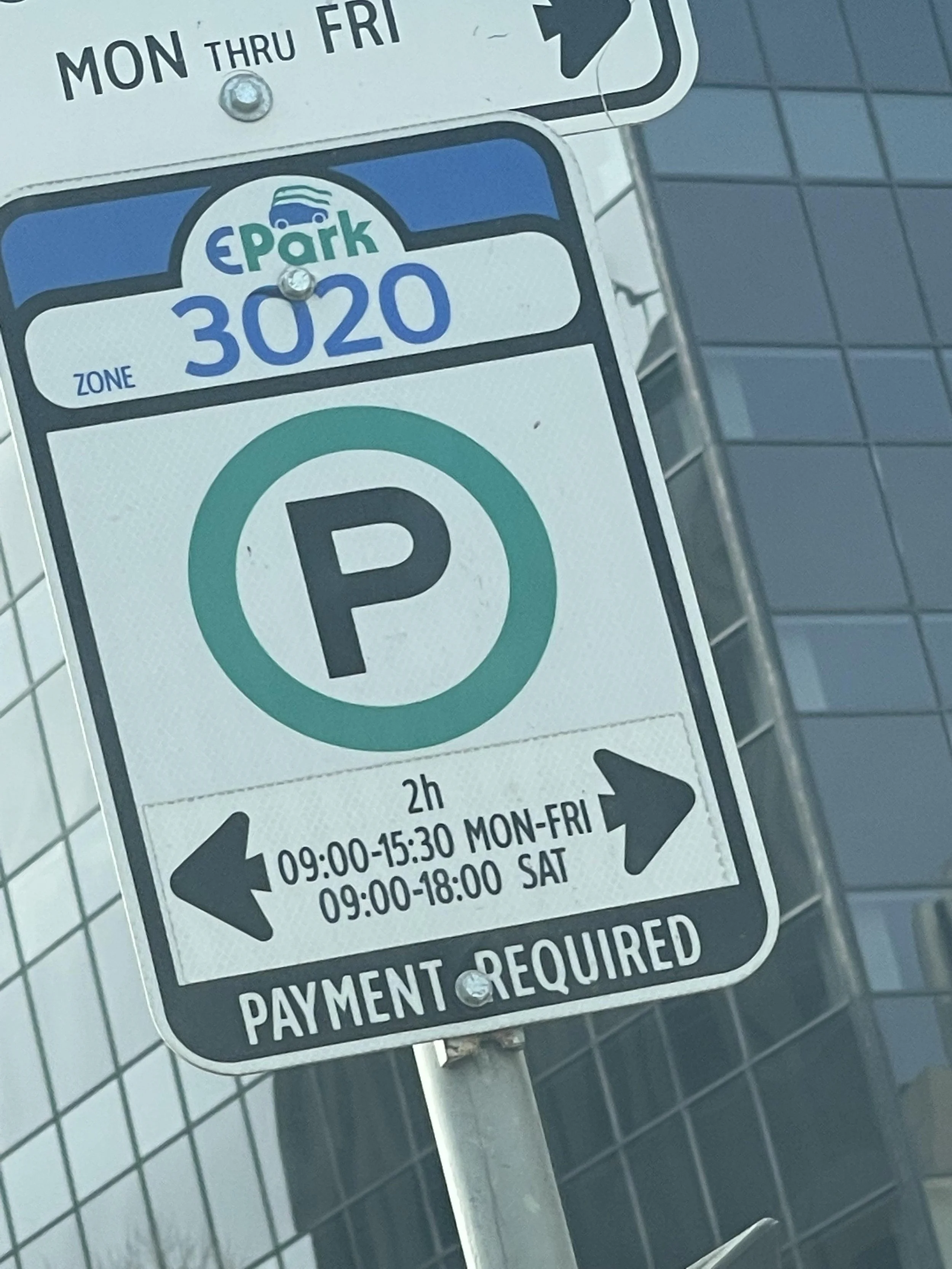
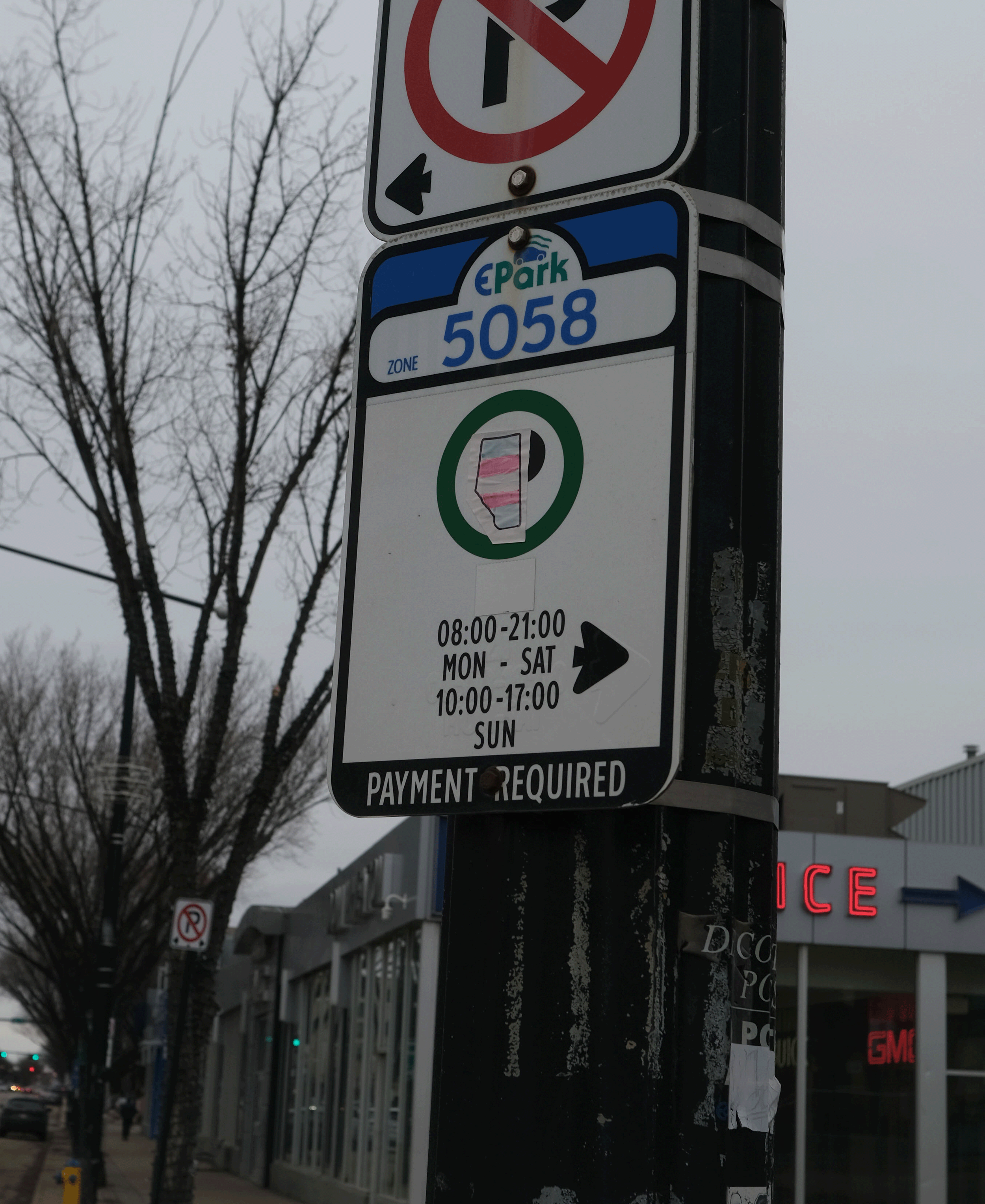
The existing EPark signage system displays layered information that is difficult to read in real time.
Poor readability, unclear hierarchy, and missing details ( as free parking hours and payment instructions) create confusion, especially for new users.
The system relies on prior knowledge and lacks visibility and clarity.

Problem Definition
Iteration
Our design objectives are to improve readability and visibility within a 12 × 18 in format, establish a clear information hierarchy, simplify content for quick comprehension, and create a cohesive system between parking and payment signage.
Final Prototype

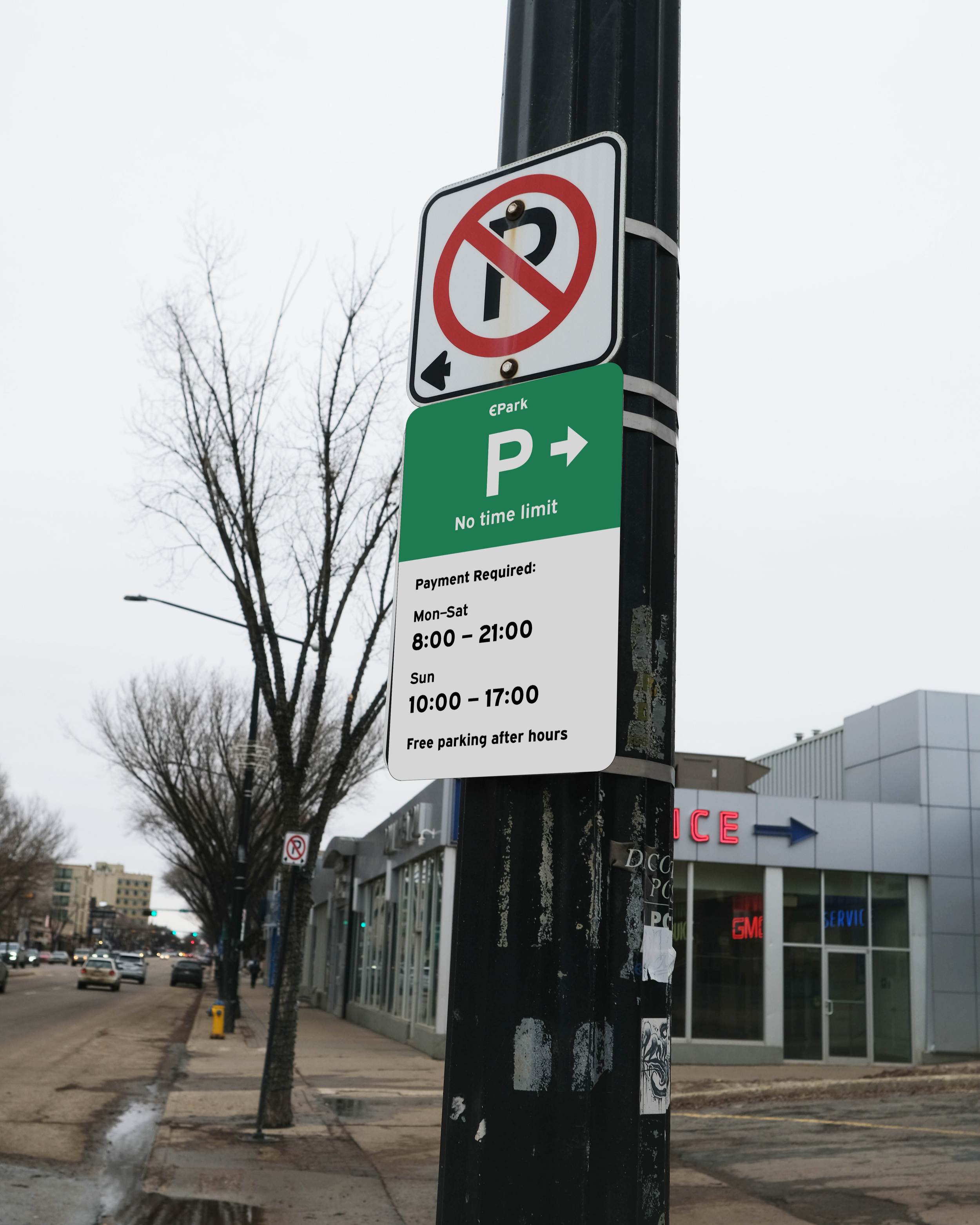
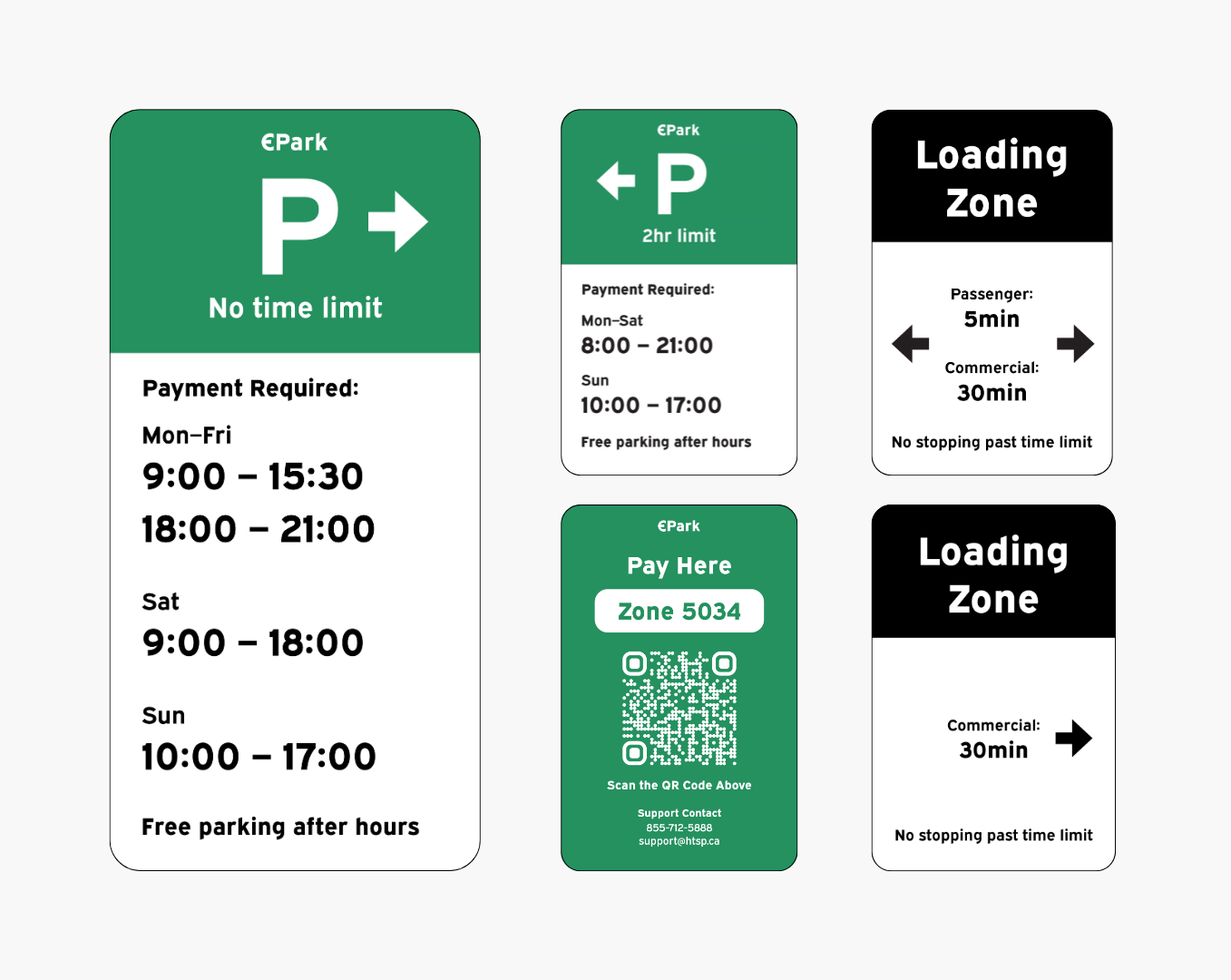
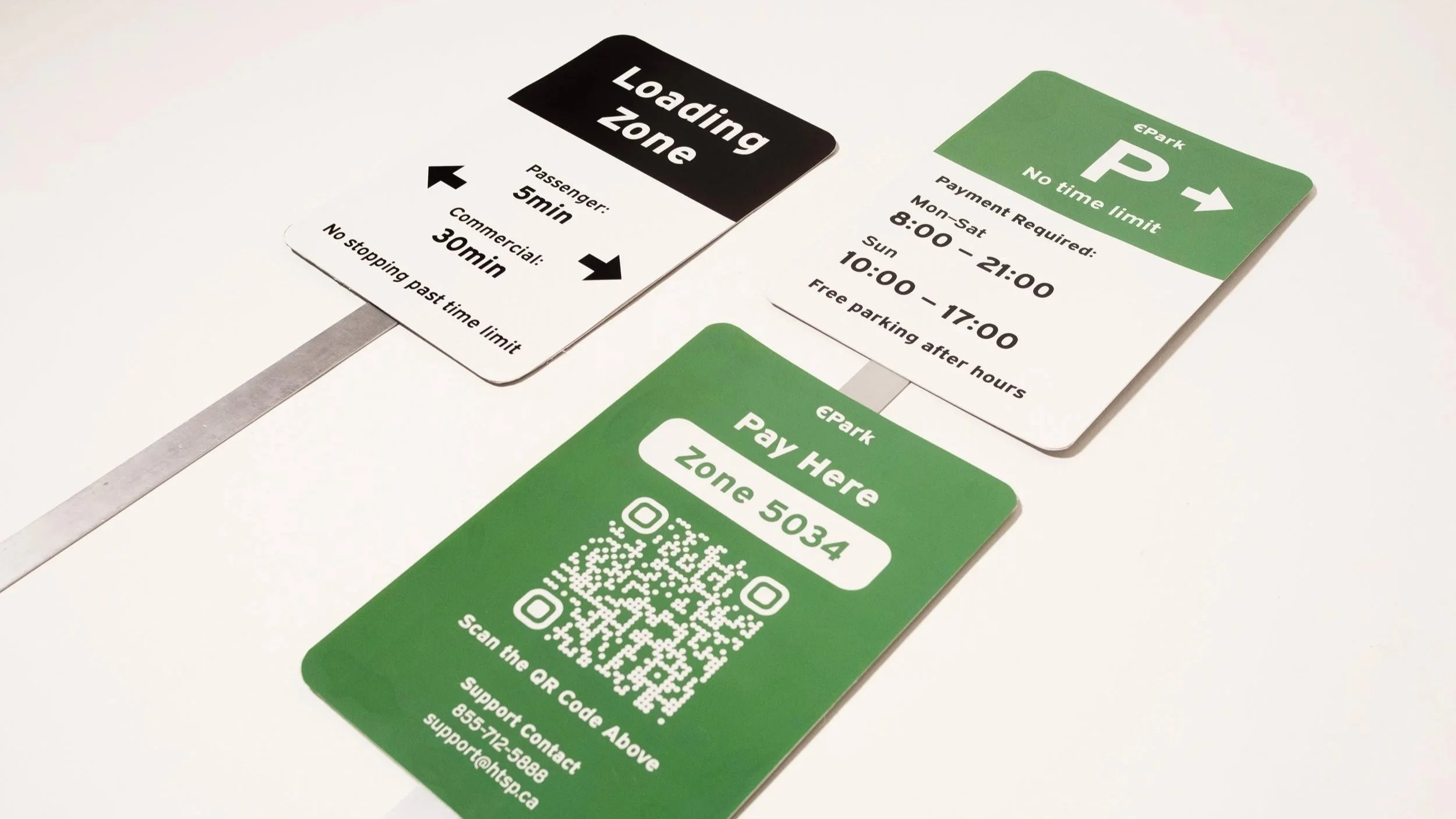
Our final design is a bright grean and whyte sign, with better spacing and distribution of the text.
Minimizing the E-Par logo, and simplifying the content, allowed us to have more negative space and increase the type to a minimum of 60 pt. This improved the readbility of design from a long distance.
To test the flexibility of our design, we applied our guides to other signage, such as loading zone signs. These are often next to each other in busi comercial areas, such as 82 avenue. By improving the clarity of both signs, we aim to reduce confusion among the drivers and create an effective signage system.
USER TESTING
User testing helped clarify several key design decisions, including type size, layout preferences, and order of information. Most participants pointed out the lack of conssistency across signage.
Key notes included establishing a minimum type size of 60 pt, increasing contrast and incorporating more colour to improve legibility and visibility. Participants emphasized the importance of a clear and logical information structure.

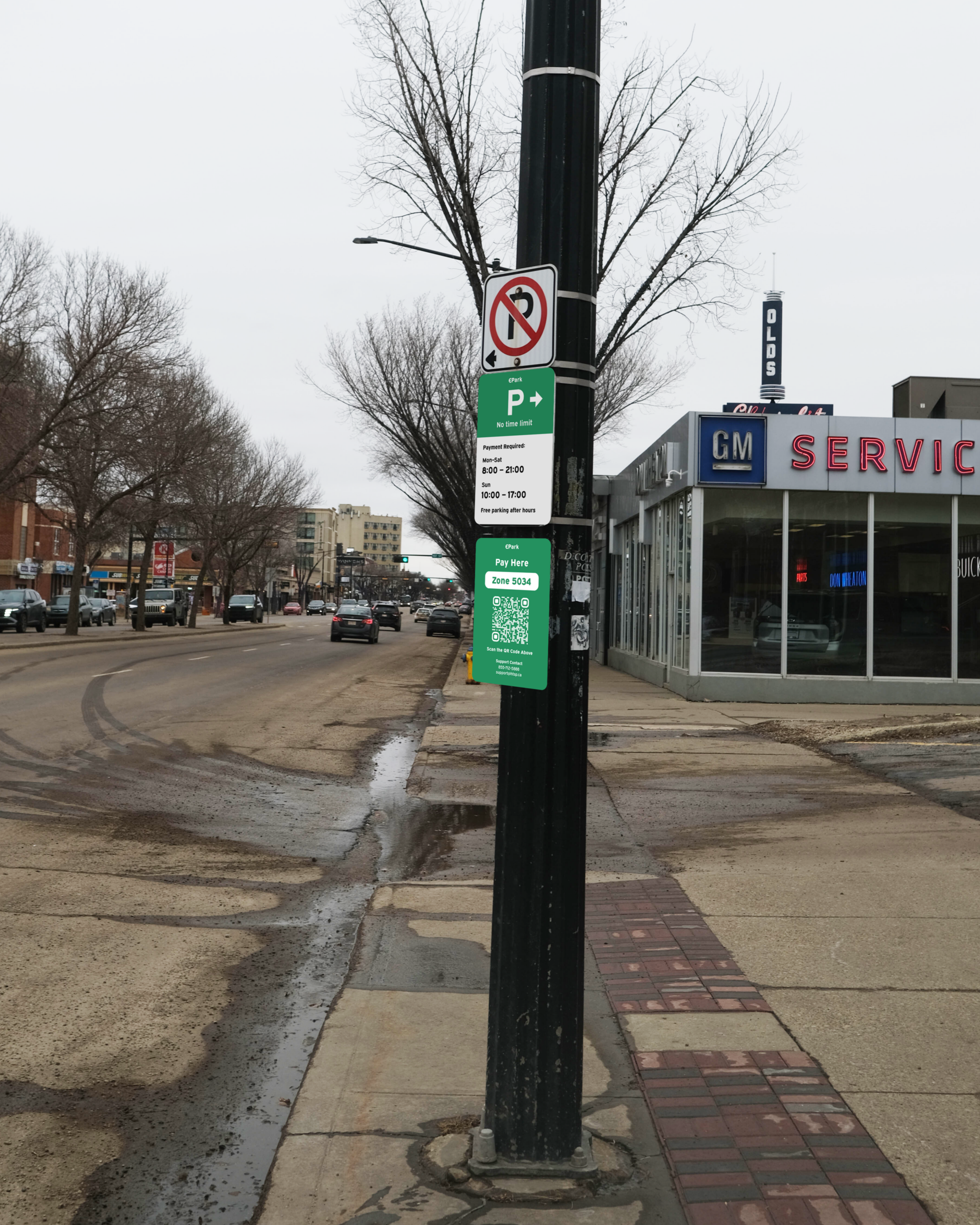
Signage on 82nd Ave
Mockup
Survey results showed that 6 of 8 frequent EPark users identified “understanding when payment is required” as the most difficult information to see. “How to pay” was the second most confusing information on the system.
Demographic data, including age and parking frequency, helped contextualize responses and identify user patterns.